
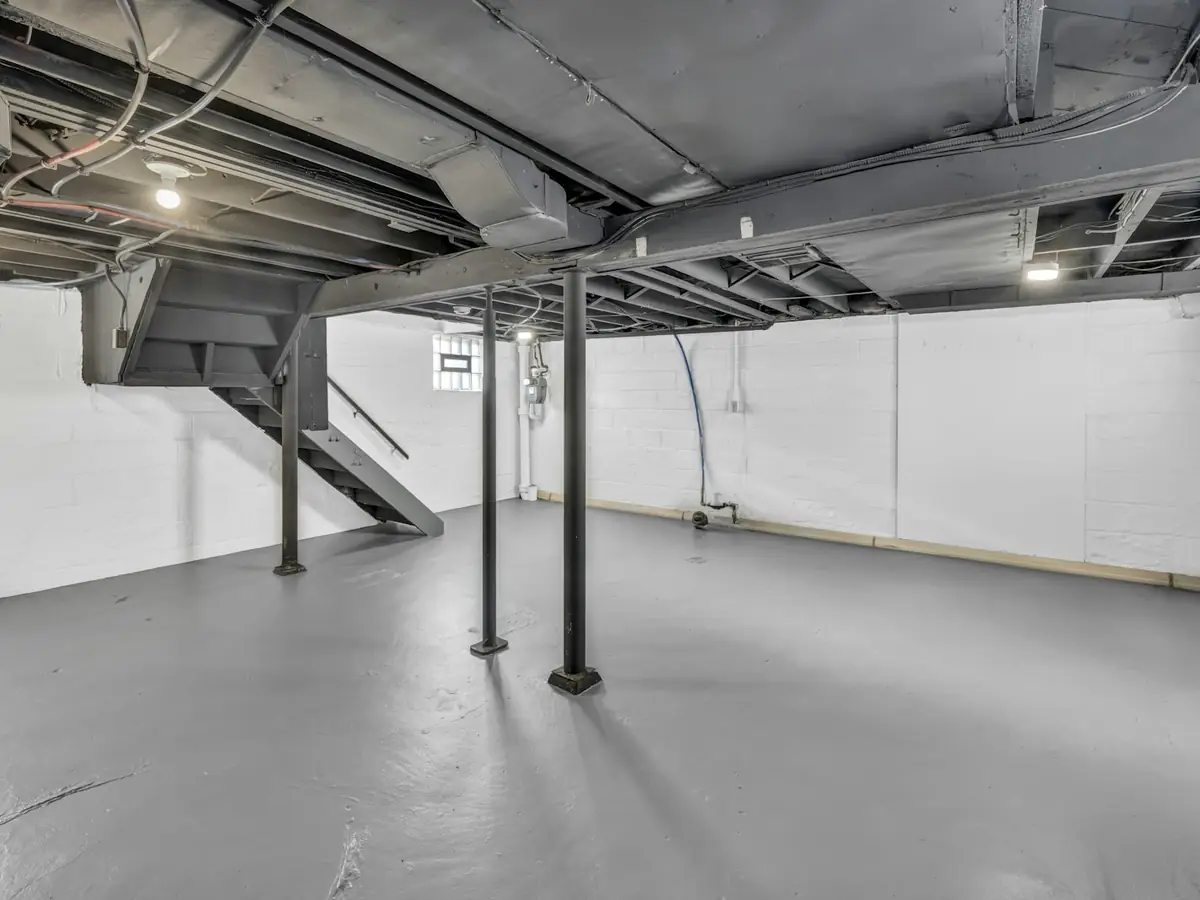
Sump pump or ejector pump: which do you have?
Sump pump
- Sits in an open or loosely covered pit in the basement floor
- Handles clear groundwater from drain tile around the foundation
- Discharges outside, away from the house
- Runs most after heavy or long rain
Sewage ejector pump
- Sits in a sealed basin with a bolted, gasketed lid and a vent pipe
- Handles waste from fixtures below the sewer line
- Discharges into the house's main drain or sewer line
- Runs whenever basement fixtures are used
Signs your pump needs repair or replacement
- The pump doesn't turn on when the pit fills, or the high-water alarm sounds
- It runs constantly, even when the weather is dry
- It cycles on and off every few seconds
- Loud grinding, rattling or humming without pumping
- Water on the basement floor near the pit, or damp walls after rain
- For ejectors: a sewage smell in the basement, or basement fixtures backing up while upstairs drains work
- The pump is more than 7 to 10 years old and has never been replaced
Common causes of pump failure
- Stuck float switch. The float hangs up on the pit wall or a cord and never signals the pump to start. This is the most common failure.
- Power loss. A tripped GFCI outlet or breaker, or a storm power outage right when the pump is needed most.
- Failed check valve. Water flows back into the pit after each cycle, so the pump short-cycles and wears out.
- Clogged intake or discharge. Silt and debris in a sump pit; wipes and grease in an ejector basin.
- Frozen or blocked outside discharge line on sump pumps.
- Worn motor after years of service.
How pump repair and replacement is done
The plumber checks power, the float and the check valve, and runs water into the pit to watch a full cycle. Many problems are fixed by freeing or replacing the float switch or the check valve.
When the motor is worn, the pump is replaced: the old pump is disconnected and lifted out, the pit is cleaned, and the new pump is set with a new check valve and properly sized discharge pipe. Ejector pump replacement also involves resealing the basin lid and checking the vent so sewer gas stays out of the house. Both are tested through several cycles before the plumber leaves.
Backup options
A battery backup sump pump takes over when the power goes out or the main pump fails. A high-water alarm warns you before water reaches the floor. For basements with finished space, both are worth considering.
Hillside basements and red clay: why Canton basements take water
Canton's hilly terrain means many homes are built into slopes, with a walkout or partial basement on the low side. Water running downhill after a storm collects against the uphill basement wall.
The dense red clay subsoil across Cherokee County drains slowly, so that water stays against the foundation instead of soaking away, building up pressure that pushes it through cracks and the joint between wall and floor. The sump pump and the drain tile around the footing are what keep that water out.
The heaviest load usually comes during long rainy spells and strong summer thunderstorms, which are also when power outages happen. That's why a working float switch and a battery backup matter here.
Also check where the discharge goes: if it drains onto a slope that runs back toward the house, the same water cycles back into the pit. Basement bathrooms below the sewer line also rely on ejector pumps; see our Great Sky page for more on homes with finished basements.
What affects the cost of pump repair or replacement
- Repair vs. replacement. A float switch or check valve costs far less than a new pump.
- Pump type. Sewage ejector pumps cost more than sump pumps and take more work to replace safely.
- Pump size and construction. Horsepower, cast iron vs. thermoplastic housing.
- Backup and alarm additions.
- Discharge piping that needs rerouting or extending.
- Access and cleanup. A basin full of sewage or a flooded basement takes more time.
- Timing. Pumps fail in storms, often at night.
When a pump failure is an emergency
- Water is rising in the sump pit or spreading across the basement floor
- The ejector alarm is sounding or sewage is backing up in basement fixtures
- The pump has failed during a storm with more rain coming
For an ejector failure, stop using every basement fixture. For a sump failure, check the GFCI outlet and breaker first, and move belongings off the floor. Then call our 24-hour emergency plumber.
Maintaining a sump or ejector pump
- Test a sump pump every few months by pouring a bucket of water into the pit and watching it cycle.
- Keep the float area clear of cords and debris.
- Make sure the outside discharge is clear and flows away from the house.
- Don't flush wipes, grease or feminine products into fixtures served by an ejector pump.
- Plan to replace pumps around 7 to 10 years, before they fail.
Pump work is part of the basement plumbing we handle as a plumber serving Canton homes. If water is coming in somewhere other than the pit, it may be a supply leak instead; see leak detection.
Sump and ejector pump questions
How long do sump pumps last?
Typically about 7 to 10 years, less if they run often. Ejector pumps have a similar range. Replacing an old pump before storm season is cheaper than cleaning up a flooded basement.
Why does my sump pump run when it hasn't rained?
A failed check valve can let water flow back into the pit after each cycle. A high water table, an irrigation system, or a leaking water line nearby can also keep water flowing in.
Do I need a battery backup sump pump?
If your basement is finished or stores things you can't lose, yes. Pumps are needed most during storms, which is also when the power goes out.
Can I replace a sewage ejector pump myself?
It isn't recommended. It involves opening a sealed sewage basin, venting and electrical connections, and the lid and vent must be resealed so sewer gas can't escape.